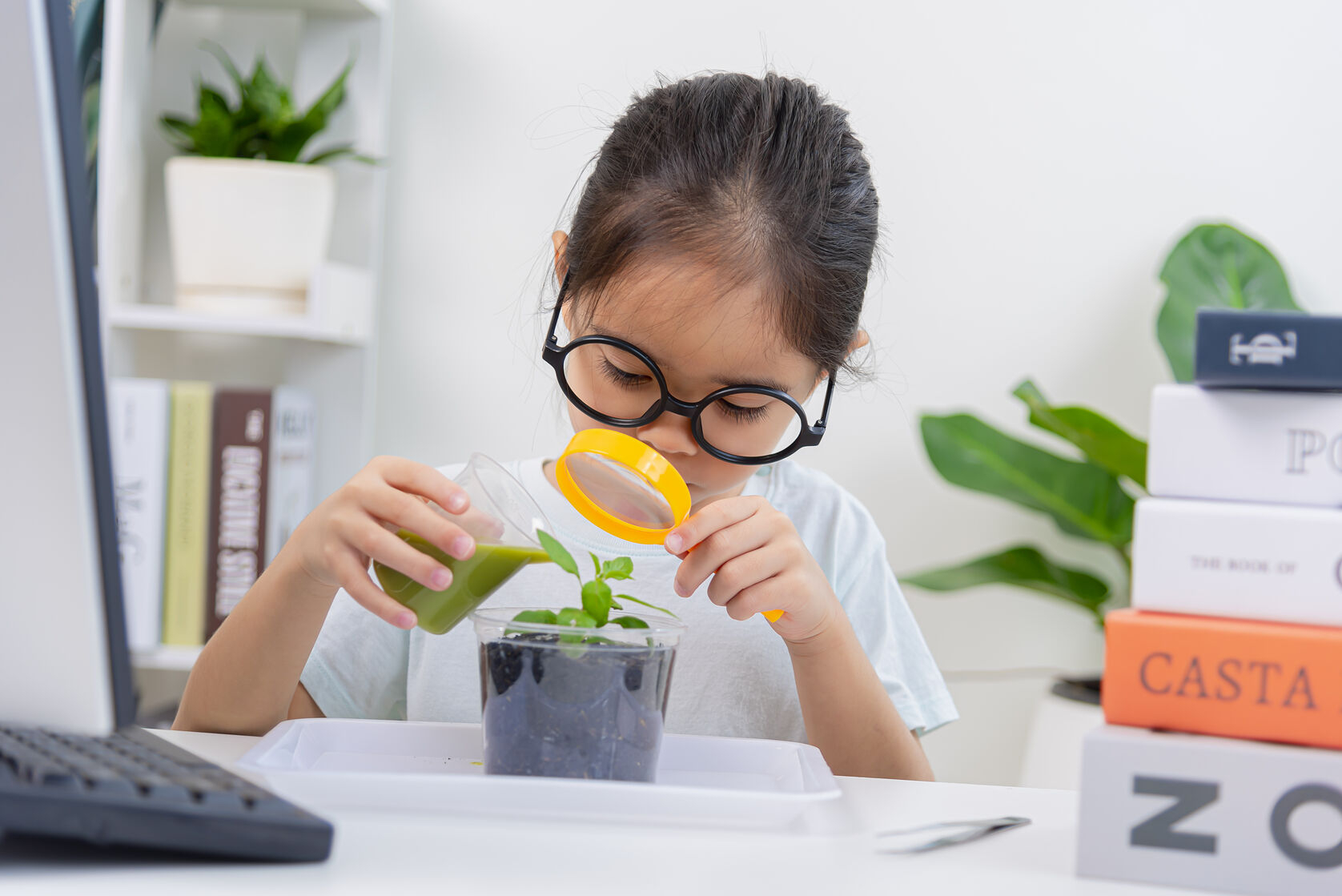

Have you ever noticed how much easier it is to understand something when you can try it yourself? Whether it is conducting a science experiment, exploring a farm or observing animals at a petting zoo, students can discover new things when they become part of the learning process.
This is the idea behind experiential learning. Instead of relying only on textbooks and classroom explanations, students learn through practical activities, observation and reflection. It helps connect classroom lessons with real-life experiences, making learning more meaningful and engaging.
1. Learning by Doing Makes Lessons More Meaningful
Reading about a topic is useful, but experiencing it can help students understand concepts more clearly. Through hands-on activities, they can observe results, ask questions and discover how different ideas work in practice.
For example, a STEM program may allow students to conduct experiments, build simple structures or test scientific ideas. These activities help them explore science beyond definitions and memorised facts.
Similarly, a visit to a farm can introduce students to agriculture, plant growth and food production. By observing these processes firsthand, students can connect what they learn in school with the world around them.
2. Develops Critical Thinking and Problem-Solving Skills
Experiential learning encourages students to investigate problems rather than simply memorise answers.
During a practical activity, students may need to test an idea, work out why something did not work or find another way to complete a task. These challenges encourage them to analyse information, make decisions and learn from mistakes.
For instance, a STEM activity that involves building or testing a model can help students understand how different solutions produce different results. This approach supports critical thinking and problem-solving skills that are useful both inside and outside the classroom.
3. Builds Confidence and Independence
Trying something unfamiliar can feel challenging at first. However, experiential learning gives students opportunities to participate, make decisions and gradually become more confident in their abilities.
Whether they are completing a group project, learning a practical skill or exploring a new environment, students can take greater responsibility for their learning.
Even a simple outdoor activity or camping experience can encourage students to follow instructions, adapt to new situations and work through challenges. With appropriate guidance, these experiences help students become more independent and willing to try new things.
4. Encourages Teamwork and Communication
Many experiential learning activities involve working with classmates to complete a task or solve a problem.
Students learn to share ideas, divide responsibilities, listen to different opinions and work towards a common goal. These interactions help develop communication, cooperation and leadership skills.
For example, a group STEM project requires students to exchange ideas and test solutions together. Outdoor learning activities can also encourage teamwork as students participate in shared tasks and support one another.
These skills are valuable beyond school, helping students prepare for future studies and everyday situations.
5. Connects Classroom Learning to the Real World
One of the biggest benefits of experiential learning is that it shows students how classroom knowledge applies to everyday life.
Different educational experiences or field trip can introduce students to subjects in practical ways:
- Farm visits: Explore agriculture, plant growth and where food comes from.
- Petting zoo experiences: Learn about animal behaviour, habitats and responsible animal care.
- STEM activities: Discover scientific concepts through experiments, design challenges and practical tasks.
- Camping and outdoor learning: Observe nature, develop teamwork and learn to adapt to different environments.
These experiences help students see how different subjects connect to real-world situations rather than treating every lesson as an isolated topic.
6. Makes Learning More Engaging
When students can explore, experiment and participate, learning becomes an active experience rather than simply listening and taking notes.
Hands-on activities can spark curiosity and encourage students to ask questions they might not have considered in a traditional lesson. They also provide different ways for students to engage with a subject.
This is particularly relevant to STEM education in Malaysia, where practical learning opportunities can help students explore science, technology, engineering and mathematics through real activities.
However, an enjoyable activity alone does not guarantee meaningful learning. Teachers should connect each experience to clear learning objectives and give students time to reflect on what they have discovered.
How Can Teachers Introduce Experiential Learning?
Experiential learning does not always require an expensive excursion or a complicated programme. Teachers can start with simple activities that encourage students to participate and apply their knowledge.
Here are a few ideas:
- Introduce hands-on STEM activities: Let students conduct experiments, build simple structures or test scientific concepts.
- Organise educational farm visits: Help students explore agriculture, plants and the natural environment.
- Plan outdoor learning sessions: Use nature-based activities to encourage observation, curiosity and teamwork.
- Arrange educational field trips: Give students opportunities to explore topics in real-world settings.
- Include reflection activities: Ask students what they learned, what challenged them and how they could apply their knowledge in everyday life.
The key is to choose activities that support the curriculum and give students opportunities to learn through participation.
Bring Learning Beyond the Classroom
Experiential learning helps students do more than remember information. It gives them opportunities to explore ideas, solve problems, build confidence and understand how classroom knowledge applies to real life.
For teachers looking for practical learning opportunities, educational programmes and school field trips can provide a starting point. Whether through a STEM activity, a farm visit or an outdoor learning experience, the aim is to help students discover something new through active participation.
Planning a school trip? Find out more about our group booking options
→ www.edutrip.my